KINETIC SKUNK

Jenkins to GitLabMigration Success

KineticSkunk™ and a client's DevOps team transform legacy CI/CD to a streamlined GitLab pipeline, enhancing deployment and innovation.

Case Study9 min readDevOps, DevSecOps, Migration

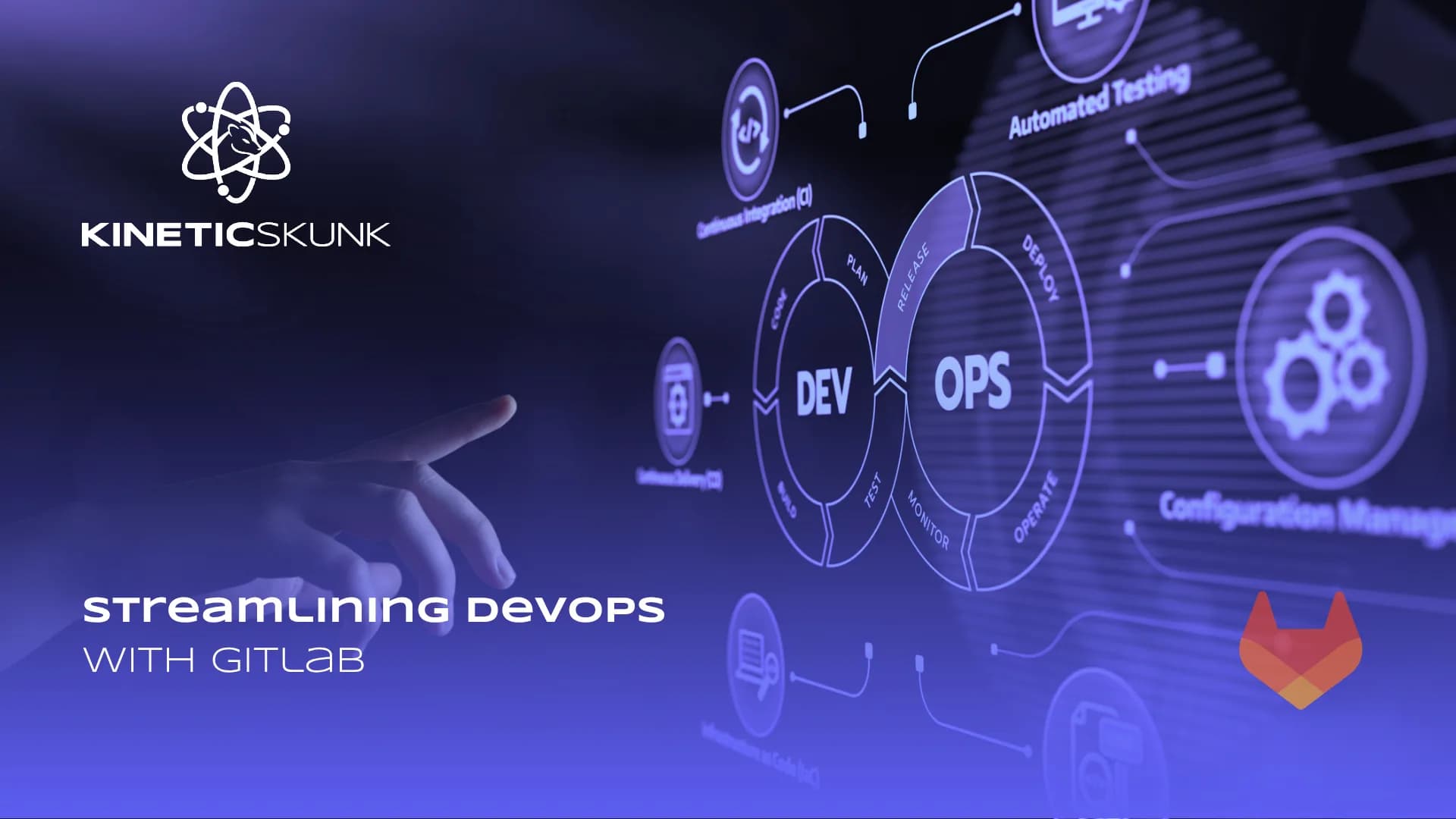
Case study hero for Jenkins to GitLab migration and CI/CD consolidation
Opening summary

Jenkins served well until teams needed one place for security scans, merge history, and release evidence. Forking pipelines across tools slowed audits and hid who owned quality gates.

This case study covers how we concentrated delivery on GitLab without pretending a weekend cutover fixes culture.

In one minute

  • GitLab gave pipelines, security scans, and merge requests one home so context stayed attached to the work.

  • Retiring duplicate runners and naming owners improved deployment frequency and recovery time.

  • Faster feedback arrived when flaky jobs were treated as product defects, not noise.

What changed

Situation before consolidation

  • Pipeline sprawl duplicated effort and made it hard to prove what ran before production.
  • Security and compliance expected artefacts that lived beside the code, not in side channels.
  • Teams wanted incremental migration paths that did not freeze delivery for a quarter.

Tooling sprawl and audit gaps

Core points

  • Stakeholders needed a single credible story before budgets and timelines locked in.
  • Legacy habits and tooling debt competed with the outcomes marketing promised externally.
  • Scope stayed honest by naming what would move in phase one versus what waited on data.

Risk during parallel run

Core points

  • Regulated or high-trust contexts punish silent assumptions about access, retention, and blast radius.
  • Integration seams between teams multiplied rework when contracts were not written down.
  • Non-prod behaviour that did not mirror production invited surprises during the first real traffic.

Migration execution

Core points

  • Automation and observability had to land together so operators could trust rollback and forward fix.
  • Owners were named for pipelines, environments, and data handoffs instead of a shared inbox.
  • Change management sat next to engineering so habits survived the first month after go live.

Skunk tip

  • Rehearse one failure mode weekly until the runbook is boring, not heroic.

Outcomes and habits

Core points

  • Velocity showed up when releases shrank and evidence travelled with the merge request.
  • Cost and risk curves improved when unused paths were retired instead of left on life support.
  • The durable lesson is that discipline on ownership beats another headline feature without adoption.
Truth bomb

If your rollback is a myth, your deploy frequency is vanity.
Replayable migration habits

Operating checklist

  • Inventory every Jenkins job with an owner, SLA, and retirement date before you mirror it in GitLab.
  • Size runners, registry, and permissions using real queue times, not peak marketing demo load.
  • Keep merge request templates that force risk, test, and rollback notes until the habit sticks.

Close

When you are ready to sequence runners, security gates, and cutover rehearsal, contact us. You can also explore more case studies.

Contact

Related insights

Case study hero for accelerated deployments on AWS ECS

Accelerating Deployments with AWS ECS

Accelerating deployments with AWS ECS helps FinTechs cut costs, speed delivery, and boost security with modern DevSecOps pipelines built for scale.

Editorial hero for GitLab pipelines, flow, and runner operations

Advantages of Gitlab with Custom Runners

Executive Summary This Case Study explores Advantages of Gitlab with Custom Runners and how KineticSkunk rebuilt its CI/CD systems by using a bespoke fleet of custom GitLab Runners. The result? More than 70% faster validation, real time feedback, extra security, and a self-healing build pipeli…

Case study hero for Azure data platform reporting modernisation

Eliminating Reporting Load on Production Systems with a Modern Data Platform

How a SaaS provider reduced reporting load on production systems by implementing a scalable Azure-based data platform.